Seven Historic Events That Shaped Nigeria After Independence

What major historical events do you remember?

I remembered the seven Historic events that shaped Nigeria after Independence.It is 62 years since Nigeria was set free from the shackles of colonialism by the British government and became a sovereign state. 

The Nigeria flag

In the past six decades, the Giant of Africa has journeyed through several highs and lows that define its rich history steeped in culture and governance.

From Nigeria’s first republic, the collapse of a nascent democracy and the civil war to the military interregnum and final return to a civilian government, the most populous African nation has witnessed a slew of historic events. Daily Trust highlights eight of such landmarks in the history of Nigeria.

Parliamentary System

Upon gaining independence in 1960, Nigeria adopted parliamentary system of government where the Prime Minister, Sir Tafawa Balewa was the head of government, while Nnamdi Azikiwe was the Governor General.

This system continued in Nigeria’s first republic in 1963. Balewa emerged the Prime Minister again in 1964. Azikiwe became the first elected president and head of state who performed ceremonial functions. Nigeria operated the parliamentary system until the coup d’etat of January 1966 which ushered in a military regime.

Civil War

On May 30, 1967, Chukwuemeka Odumegwu Ojukwu, declared the secession of the Eastern region and named it the Republic of Biafra — a move the federal government saw as an act of rebellion. Fight broke out and escalated  into a full-scale civil war.

In August, Biafran troops crossed the Niger, seized Benin City, and were well on their way to Lagos before they were stopped at Ore, a small town in Western state now known as Ondo State. The civil war ended in January in 1970.

Introduction Of NYSC

NYSC

As part of the reconstruction, rehabilitation, reconciliation efforts by the General Yakubu Gowon regime, the National Youth Service Corp was introduced in May 1973 to foster national unity and cohesion. University graduates, later joined by graduates from polytechnics, are posted to different parts of the country other than their places of birth.

Second Republic
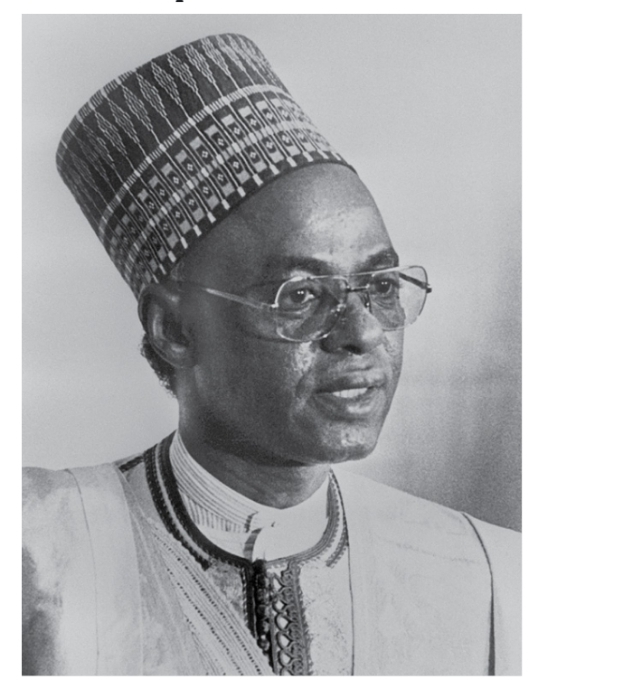
Former President, Alhaji Shehu Shagari

The military handed over power to a new civilian government under President Shehu Shagari on October 1, 1979. Nigeria’s Second Republic was born amid great expectations as this period marked the oil boom in the country. Oil prices were high and revenues were on the increase.

Return To Military Rule

Shortly after he was re-elected as president, Shagari administration was toppled by the military coup which brought in General Muhammadu Buhari in December 1983 as the head of state. Buhari justified the coup on the declining economy and corruption.

The regime declared a “War Against Indiscipline” (WAI), which resulted in the arrest, detention, and jailing of a number of politicians.

Relocation of federal capital to Abuja

The seat of power was moved from Lagos to Abuja in December 1990 by the regime of General Ibrahim Badamasi Babangida.  This was sequel to the promulgatation of Decree No. 6 on February 4, 1976, which initiated the removal of the Federal Capital from Lagos to Abuja.

Return to civil rule

Nigeria returned to democracy in 1999 after 16 years of military dictatorship. Since then till the moment, the country has produced four presidents, including two former military rulers — Chief Olusegun Obasanjo and incumbent President Muhammadu Buhari. In-between the duo were former presidents, Dr Goodluck Jonathan and late Umar Musa Yar’Adua.

Now in the 9th Republic, Nigeria has gone through turbulent moments and is currently on the fringes occasioned by worsening economy, insecurity and threats to the national unity. As the nation heads into another election this year, Nigerians were confronted with the task of choosing leaders who will take bold steps to resolve these issues and consolidate on the gains of the country’s independence which clocks up 62.

HEALTHY LIFESTYLE

What Is Lifestyle

Lifestyle Is the way in which a person lives.The benefits of a healthy lifestyle of a particular person or groups of people is the living conditions, behavior,and habits that are typical of them or are chosen by them.

Why Lifestyle Is Important In Our Life

Living a healthy lifestyle can help prevent chronic diseases and long term illnesses. Feeling good about yourself and taking care of your health are important for your self-esteem and self-image. Maintain a healthy lifestyle by doing what is right for your body.

10 Healthy Lifestyle Program

1.Eat a variety of nutritious foods every day, with less salt,sugar and fats.

2.Drink eight to ten glasses of water daily.

3.Rest and sleep for seven to nine hours every night.

4.Breathe clean air. Say no to smoking and prohibited drugs.

5.Exercise every day and get enough sunlight.Be physically active and maintain normal weight.

6.Manage stress, relax,and pray.

7.Maintain personal hygiene and good grooming.

8.Keep a clean household and practice waste management.

9.consult a physician,go for a health check-up.

10.Be a role model.Give good examples,take care of your family.

Thanks for reading

Do lazy days make you feel rested or unproductive

Do lazy days make you feel rested or unproductive?

We’ve all had those days where we just don’t feel like doing anything. You’ve been working hard all week, you haven’t gotten enough sleep and the more you tack onto you “to-do” list, the more your motivation seems to drain away. If you just can’t seem to get anything done no matter how hard you try, you may be in desperate need of an off day. Forget about running errands or even putting on actual clothes—just get comfy on the couch, grab a pint of ice cream and give yourself a day of rest and relaxation. You may be doing yourself more good than you realize.

Also research suggests that well deserved laziness is extremely restorative and can have a huge impact on productivity and motivation when you return to work.it can help to acknowledge taking some time off as doing something good for your self. That way, you won’t feel like you’ve wasted your day.

Being unproductive replenishes the brain’s capacity for life. Resting and relaxing allows your brain to organize its new information which allows you to remember things better and have more room for new things.

6 ways to reclaim an unproductive day

  1. Prioritize at least one task for completion. …
  2. Plan for a productive day tomorrow. …
  3. Optimize your work environment. …
  4. Identify time-management strategies. …
  5. Batch your tasks for efficiency. …
  6. Assess your work-life balance

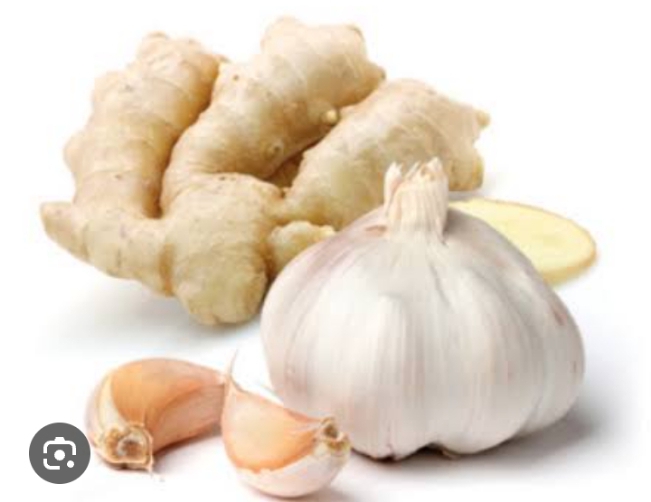
7 BENEFITS OF GARLIC AND GINGER

Apart from their important nutritional significance, garlic and ginger have numerous medicinal properties, such as:

  • Antioxidant
  • Anti-inflammatory
  • Anticancer
  • Anticramp
  • Antiulcer
  • Rheumatologic
  • Blood circulation booster
  • Anticholinergic
  • Analgesic
  • Antibacterial
  • Antistress
  • Antidiabetic
  • Immunity booster

They both help manage:

  • Blood pressure
  • Cardiovascular diseases

You may obtain enough of these foods by adding them to dishes, such as stir-fries and soups, or taking them as supplements.

  1. Relieve cold:
    • Ginger contains sesquiterpenes, antibacterial, and anti-inflammatory compounds, which inhibit rhinovirus (serotypes that cause respiratory infections), making it an excellent cold cure.
    • The anti-inflammatory effects of ginger are comparable to nonsteroidal anti-inflammatory medicines (NSAIDs), making it a good treatment option for fluheadaches, and menstruation cramps.
    • The gingerol found in ginger is a potent antioxidant and helps strengthen the body by boosting the immune system and providing immediate relief.
    • Garlic, when taken as a supplement, can improve the immune system.
    • A study suggested that large dosages of garlic extract (approximately 2.56 grams per day) reduce the number of ill days with cold or flu by 61 percent.
    • Garlic contains allicin, which helps fight infections and boosts the immune system.
  2. Pain reliever:
    • Studies reported that ginger can help relieve specific aches associated with rheumatoid arthritis and osteoarthritis.
    • Most significantly, it avoids some of the negative effects associated with the use of traditional pain relievers.
    • Another study suggested that eating ginger, whether raw or cooked, reduces musculoskeletal soreness.
    • Studies suggest that quercetin in garlic improves pain associated with osteoarthritis and rheumatoid arthritis.
  3. Aid in weight loss:
    • Ginger and garlic tea is a popular weight reduction supplement.
    • Garlic is extremely low in calories (approximately 4.5 per clove) and can promote metabolism, which is heightened by the addition of ginger.
    • Drink ginger tea in the morning to maximize the metabolism-boosting benefits.
    • Ginger and garlic tea could be beneficial to some individuals but may cause digestive problems in others.
  4. Aid in digestion:
    • Ginger can aid digestion by lowering blood sugar levels.
    • The stomach may not function properly when sugar levels are very high.
    • Ginger promotes appropriate stomach function.
    • Garlic keeps the digestive tract operating properly and is especially beneficial in minimizing stomach bloating or inflammation.
  5. Reduce bacterial and fungal infections:
    • Garlic produces allicin, a sulfuric compound that acts as a natural antibiotic.
    • Powdered garlic capsules are a far better option than pill forms. This is because the methods used to make garlic pills frequently degrade the essential allicin.
  6. Natural blood thinner:
    • Ginger can help support and feed your cardiovascular system.
    • Ginger is considered a natural blood thinner because it prevents blood clots.
    • However, it helps lower blood cholesterol levels and prevents cardiovascular diseases.
    • Garlic can be used to reduce low-density lipoprotein cholesterol and aortic plaque depositions that form on the walls of the veins.
    • Studies suggest that garlic offers incredible advantages for heart disease.
  7. Regulate blood sugar levels:
    • Ginger helps lower blood sugar levels.
    • Ingesting a spoonful of ginger juice combined with a glass of water in the morning can aid with blood sugar regulation.
    • Garlic can help manage blood sugar.
    • Garlic increases insulin levels in the blood, which can aid with diabetic management.

What is ginger?

Ginger or Zingiber officinale is a member of the Zingiberaceae family and a blooming plant. Its rhizome or root is widely used as a culinary spice, condiment, and herbal treatment all over the world.

Ginger is said to have originated in the tropical rainforests of the Indian subcontinent and spread to Southern Asia, where ginger plants exhibit some genetic variations. Ginger is widely grown in numerous nations, including Nigeria, Taiwan, India, Jamaica, and Bangladesh.

Ginger is one of the most widely used plants in traditional medicine in many nations. For centuries ginger has been used in traditional Chinese medicine to treat various diseases, including:

In Arabian medicine, ginger is considered an aphrodisiac and some populations in Africa think that eating ginger daily may help repel mosquitos.

The bioactive phenolic compounds, such as gingerol, paradol, and shogaol, are responsible for the medicinal properties of ginger.

Ginger oil is said to be particularly therapeutic. The main active components in ginger oil include the sesquiterpenes, such as bisabolene, zingiberol, and zingiberene.

What is garlic?

Garlic or Allium sativum is a member of the Allium genus and one of the most ancient medicinal herbs. It is related to the onion, shallot, and leek.

Garlic has been used as a spice, food, and folkloric medicine, and it has been extensively explored as a medicinal plant. Garlic is one of many therapeutic plants and has antibacterial characteristics that prevent various diseases.

Garlic is native to Central Asia and northeastern Iran and has a long history of human consumption and usage. The ancient Egyptians used garlic to alleviate diarrhea, and its medicinal properties were written on the walls of old temples in Egypt.

Garlic is used as a flavoring agent in dishes.

In Africa, especially in Nigeria garlic is used to treat disorders, such as:

In India and Europe, garlic is used to cure:

Allicin and its products, diallyl disulfide and trisulfide, are functional active compounds in garlic that have medicinal properties.

These compounds are the main contributors to garlic’s unique odor, along with other allicin-derived chemicals, such as vinyldithiin and ajoene. As you cook garlic, these compounds reduce, which results in reduced spiciness.

Living healthy with garlic and ginger


What makes a good neighbors?

What makes a good neighbor?

Good neighbours are considerate, tolerant and understanding of others and their different lifestyles, and they help build successful communities.Also a good neighbor should understand boundaries and are respectful of their neighbors time and space. They are also respectful of those that may not like a lot of interaction and prefer to communicate on an as needed basis.A good neighbors are also considerate of their neighbors property.

Design a site like this with WordPress.com
Get started